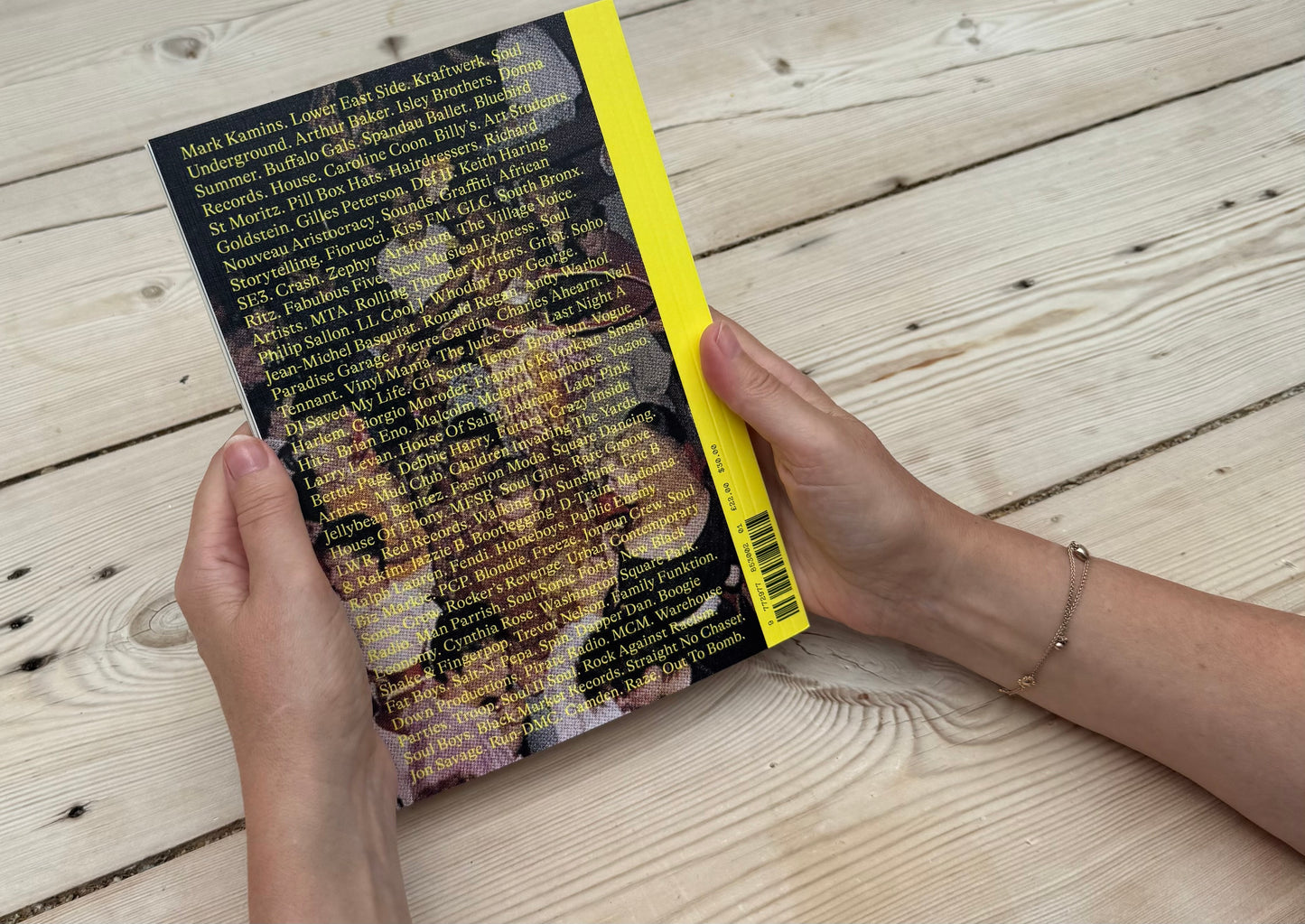
No Way Back. Except we are, with a second issue.

Issue two: landing in good stores and shipping direct from late March.

Purchase No Way Back 002

After all of the fun had - and, if we may brag a bit - the acclaim for NWB001, we're back with a follow-up.

So here's NWB002. Our start and end points shift this time (1979–1997 vs 1977-1989) but again the focus is on extraordinary moments in music and subculture.

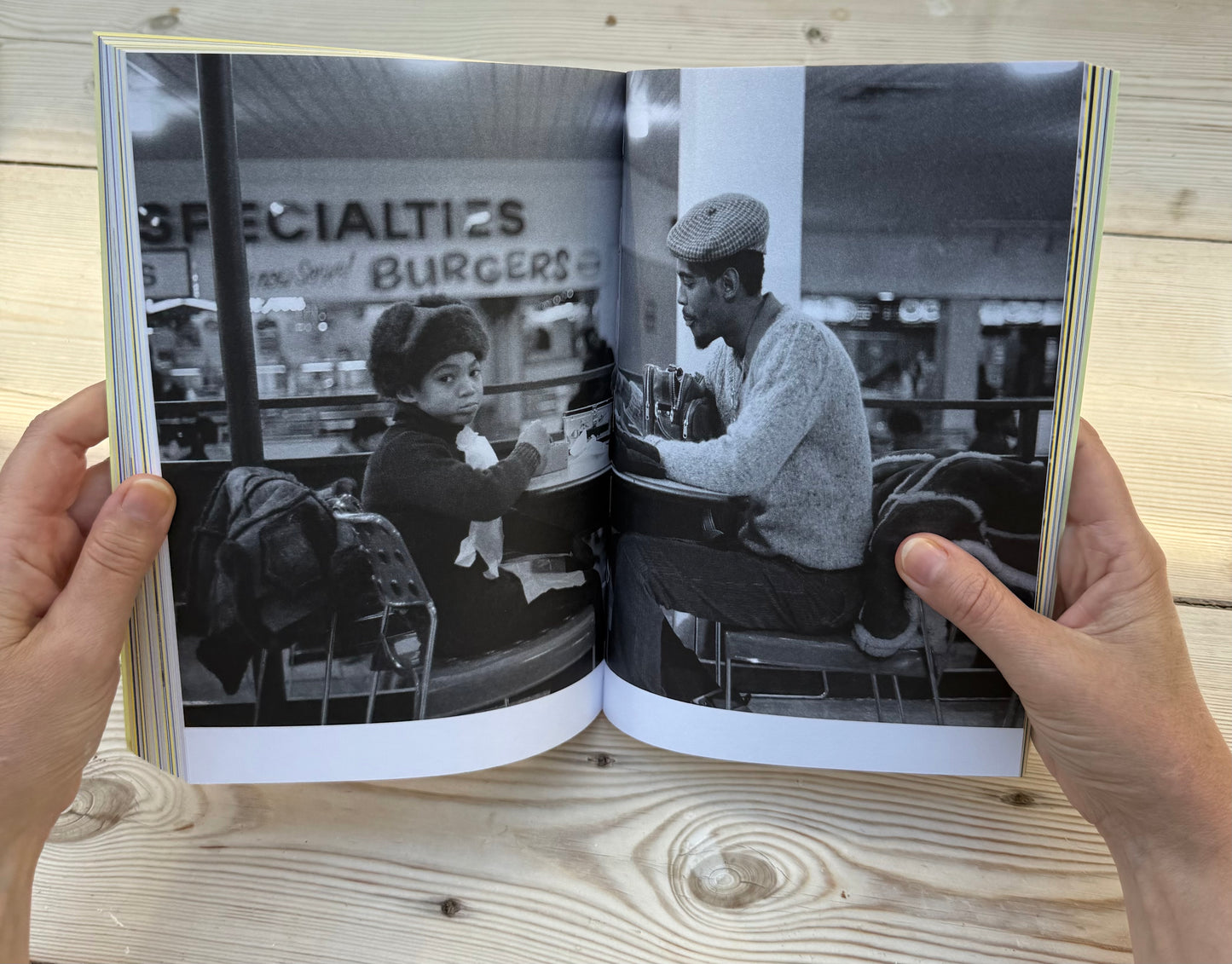
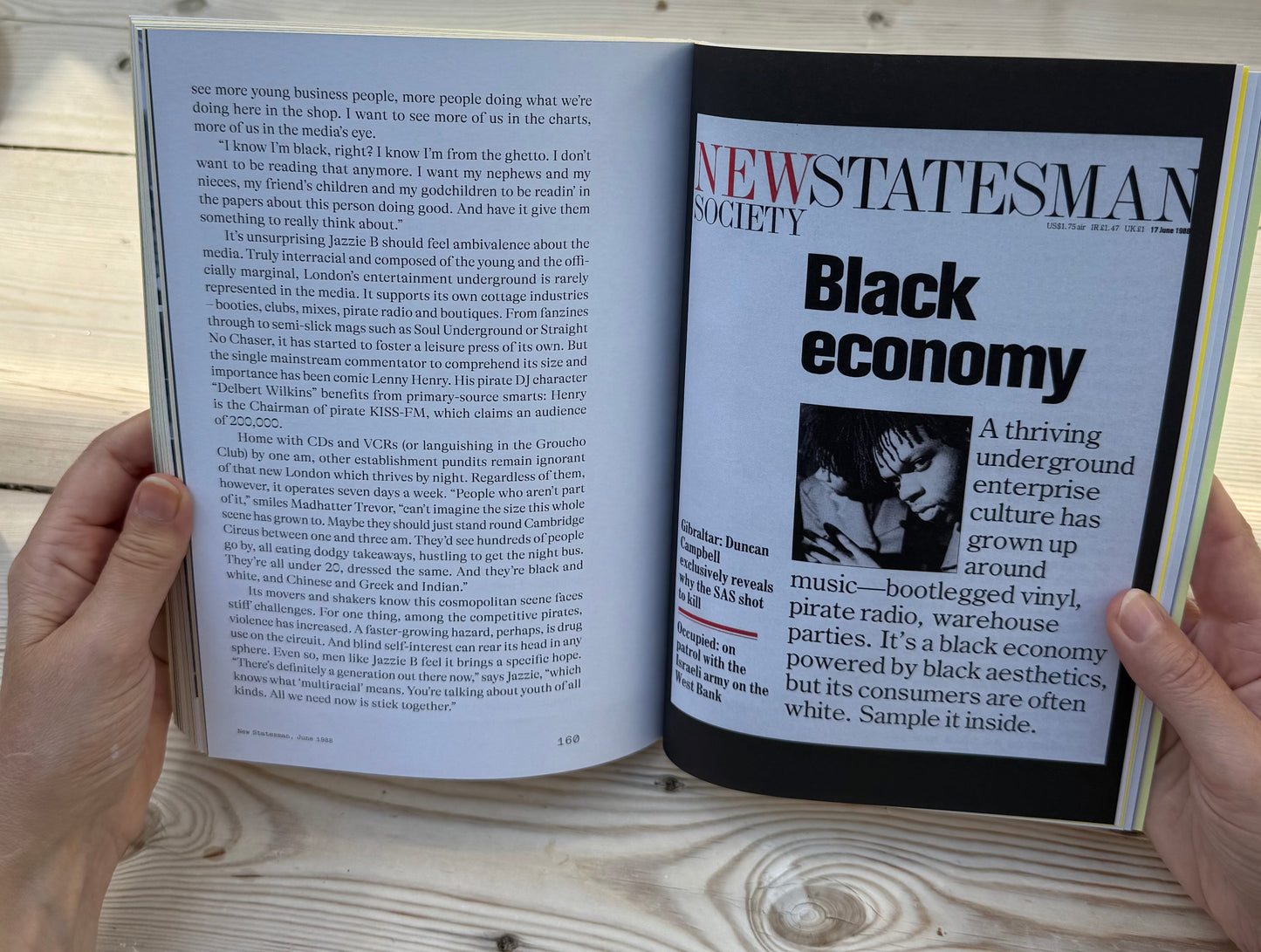
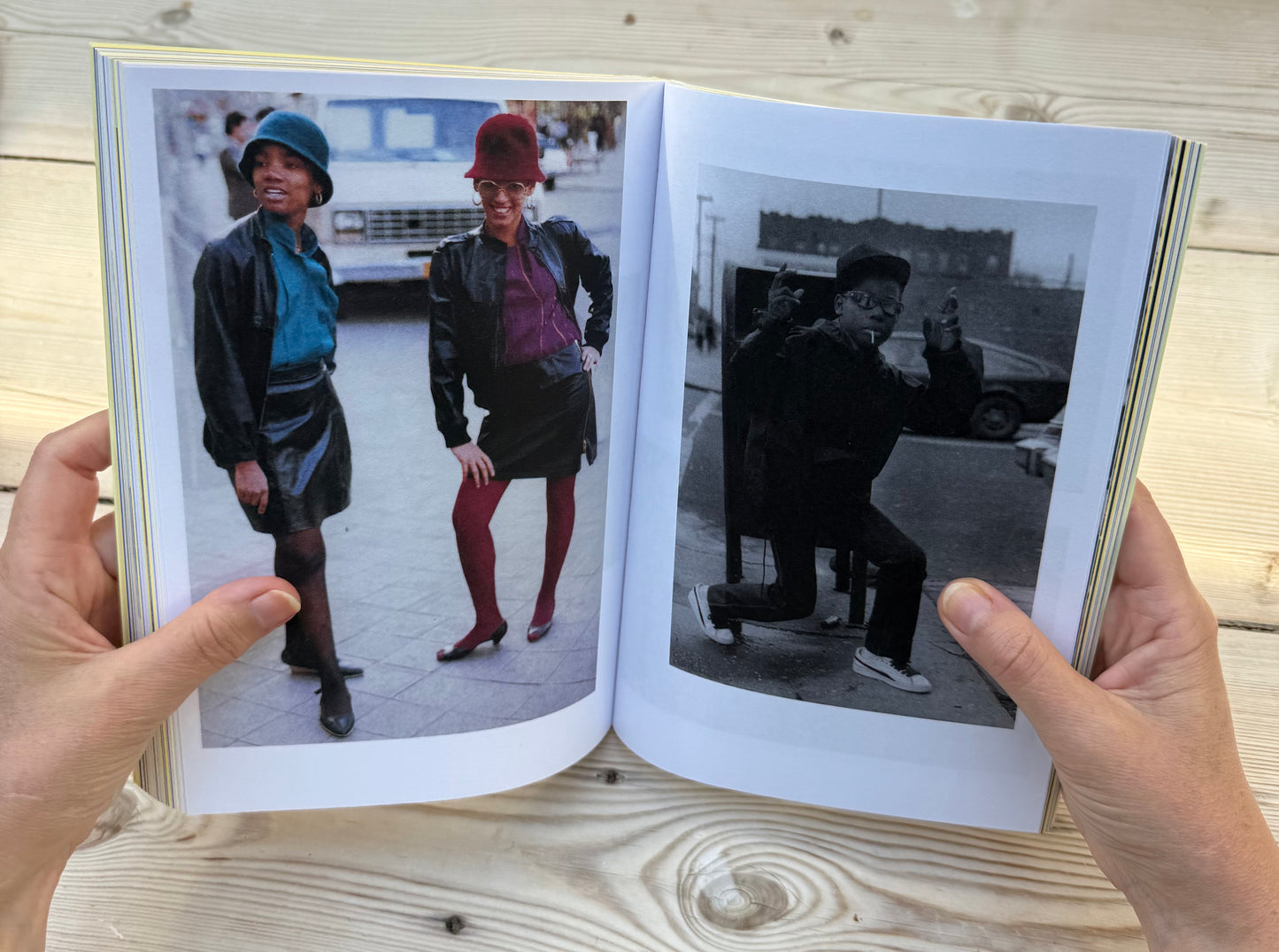
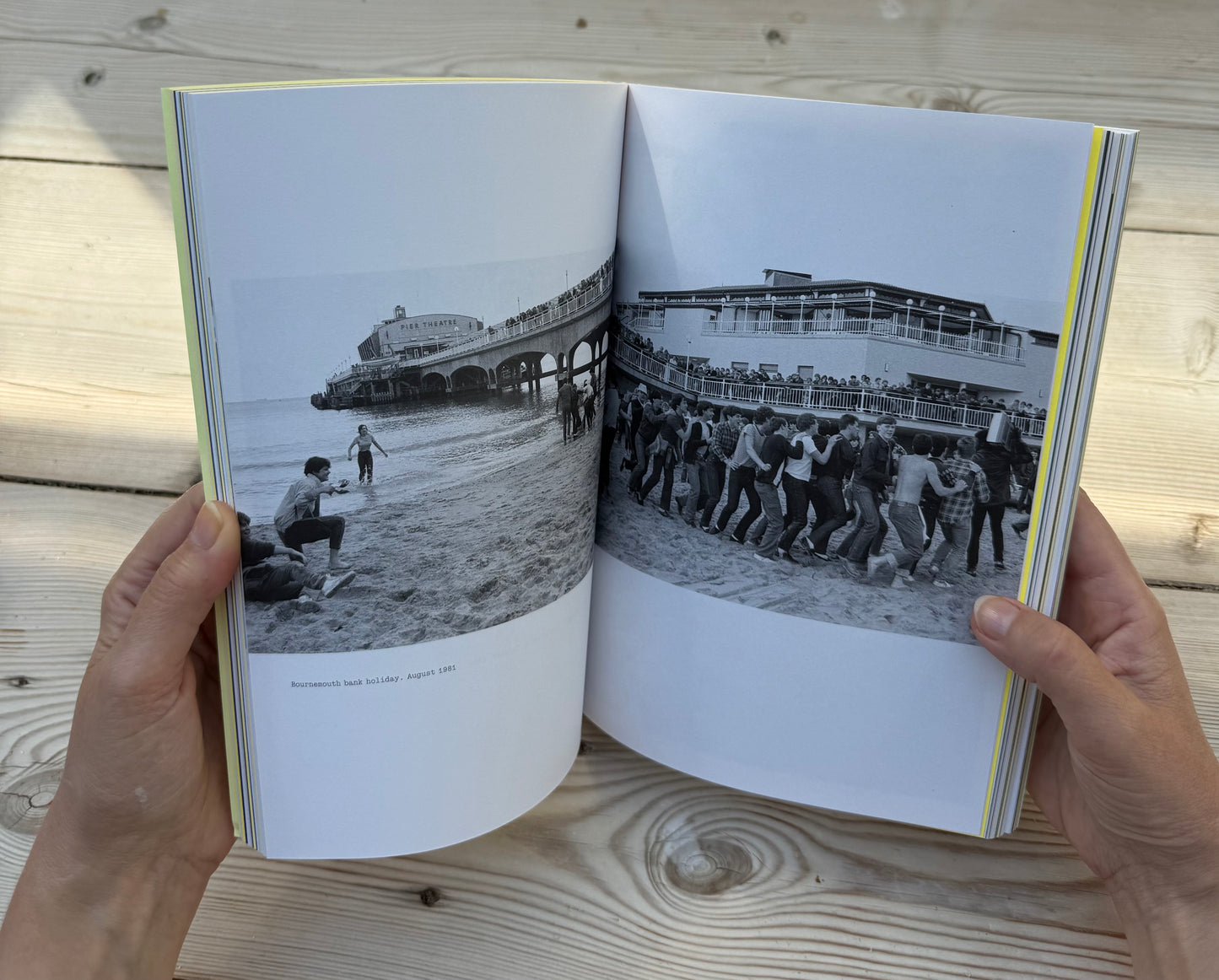
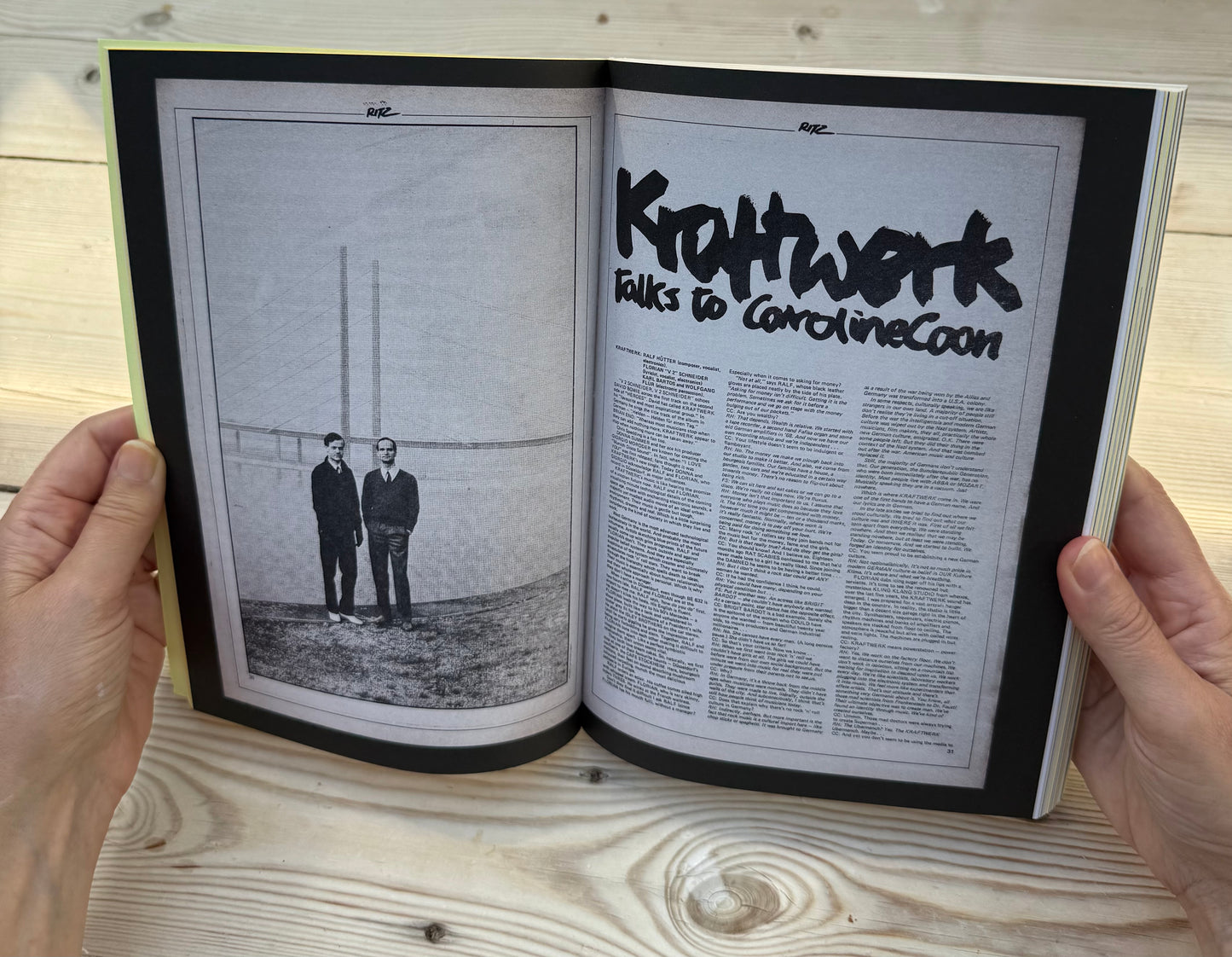
We've got pieces from The Face, i-D, Time Out, Village Voice, Rolling Stone, Mixmag, The Observer and - a particularly big pleasure - Collusion magazine. We've got brilliant photography, too, documenting seminal afterdark moments. And we've put it all together with much love, craft and attention to detail.

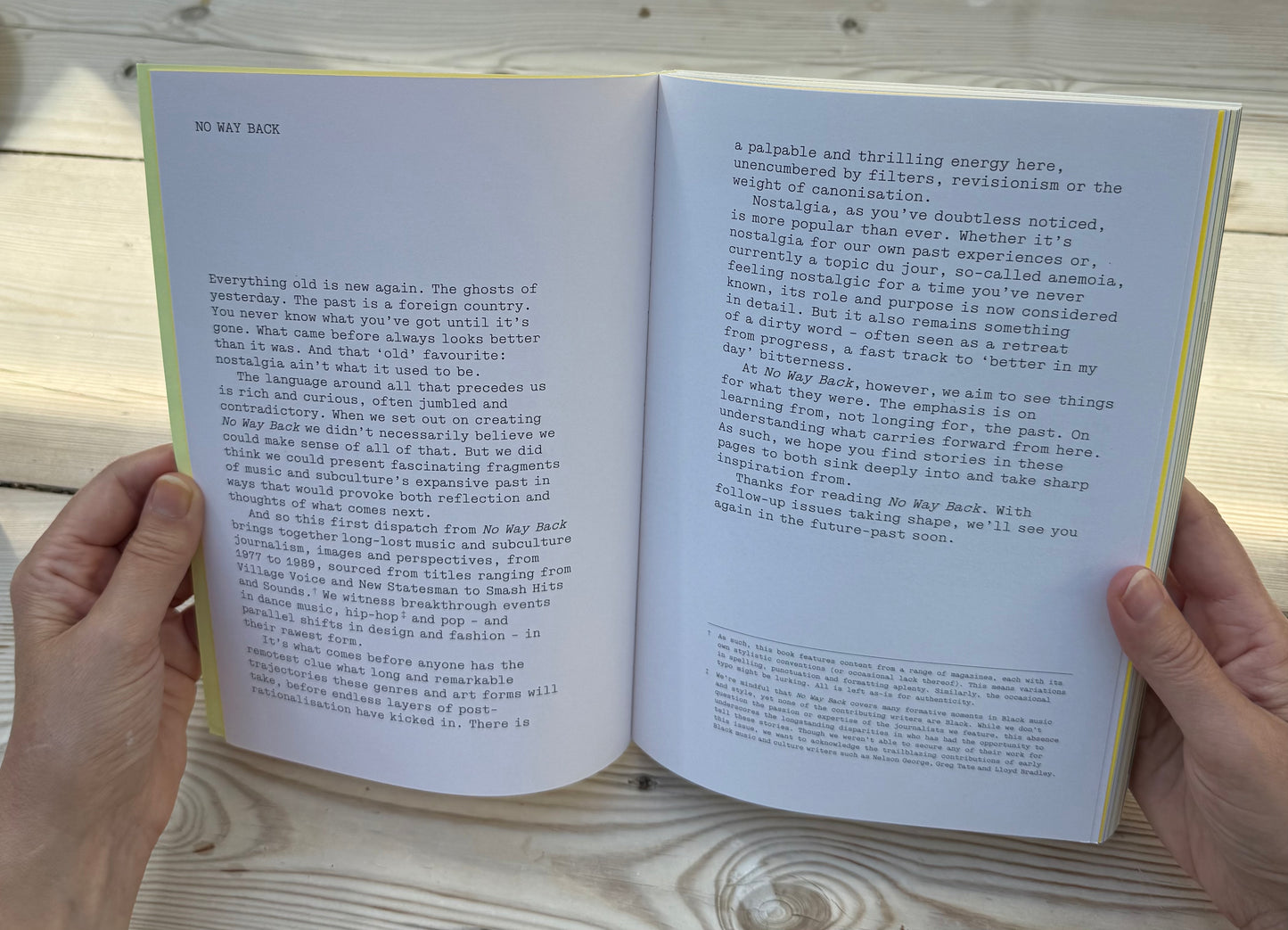
This is material that lets us experience culture in its rawest form. In-the-moment and before endless layers of post-rationalisation have kicked in. Breakthrough events in dance music, hip-hop and pop – and parallel shifts in art, design and fashion. Inspirational, ground-level creativity and enterprise that set the scene(s) for subsequent decades.

We hope you enjoy reading NWB002 as much as we enjoyed bringing it together.

208 pages of curated editorial and images.

Including material from The Face, i-D, Time Out, Village Voice, Rolling Stone, Mixmag, The Observer and Collusion magazine.

Purchase No Way Back 002

Inside No Way Back 002

  • Behind The Groove - the epic 1983 feature by Steven Harvey in David Toop's Collusion magazine, charting the NYC disco underground

  • Photographer Steve Eichner documenting the club kids scene at The Limelight, Palladium, Tunnel and Club USA

  • Year zero reporting as The Face's Sheryl Garratt visits Chicago in 1986, witnessing the emergent house sound

  • The Mudd Club - 'disco for punks' as Rolling Stone put it; the Lower East Side party which arguably spawned a thousand indie discos

  • In the 'socialist city' of Sheffield, meanwhile, Jon Savage heads for a night of sharp clothes and even sharper moves at Jive Turkey

  • Paul Morley writing in Time Out in 1988 on the tension materialising between glossy style mags and the monochrome music press

  • The House That Rap Built - Village Voice celebrates the short but sweet glory years of hip-house

  • Mixmag in 1992, with Frank Broughton on the 'return of sex' to clubs like Roxy and the Sound Factory

  • Images and commentary from Eddie Otchere, rewinding to jungle's halcyon days

  • Kodwo Eshun reporting on jungle's full-throttle ascent for i-D in 1994

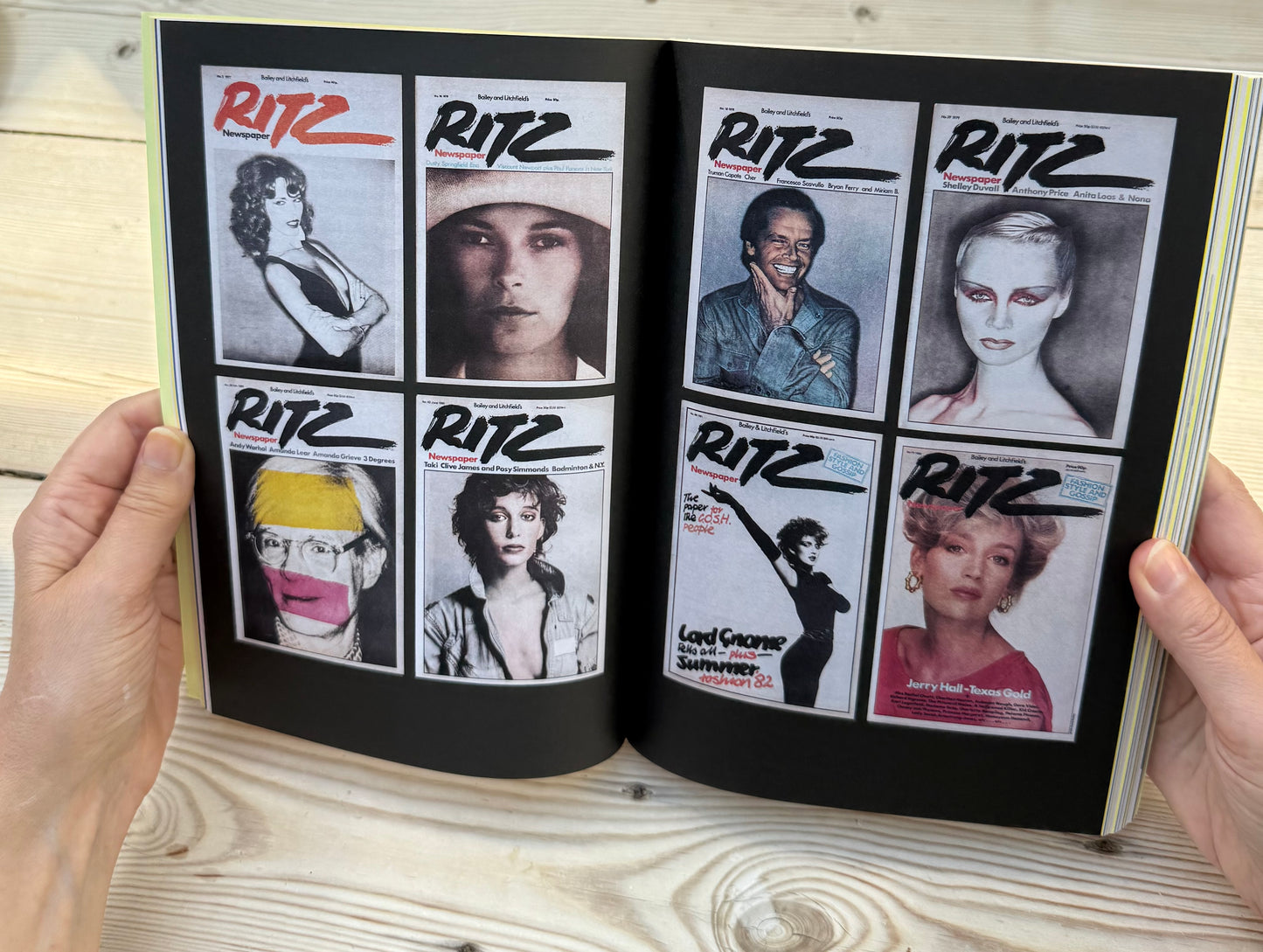
    + Editor’s notes, supporting commentary, playlists, and covers, spreads and imagery from original titles